The COVID-19 pandemic has profoundly reshaped public health practices, with mask-wearing emerging as a cornerstone of prevention. While the obligation to wear masks outdoors has been relaxed in some regions, the importance of effective respiratory protection, particularly in indoor settings with higher aerosol concentrations, remains paramount. This is especially true with highly transmissible variants like Omicron. Among the various types of masks available, FFP2 masks have gained significant attention for their superior filtration capabilities and potential to drastically reduce the risk of infection.
Understanding Mask Filtration and Fit
The efficacy of any mask in preventing the transmission of airborne pathogens like SARS-CoV-2 hinges on two primary factors: its filtration efficiency and how well it seals to the wearer's face.
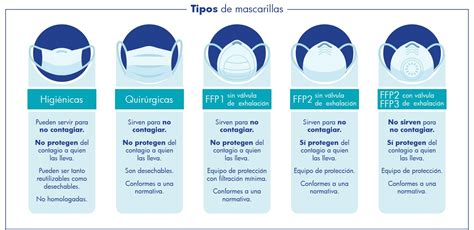
Surgical masks, while helpful in containing larger droplets and preventing splashes, are not designed for a tight seal. Their loose fit allows a significant portion of aerosols to escape. The filtration material in surgical masks typically captures particles between 3 and 7 microns, which is sufficient for trapping bacteria and larger respiratory droplets but less effective against the smaller aerosols that can carry the COVID-19 virus.
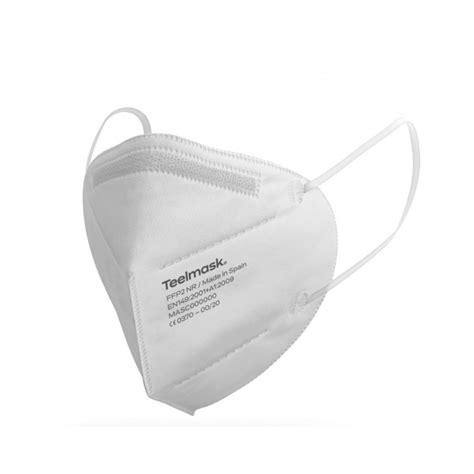
In contrast, FFP2 masks, classified as high-protection masks, are specifically engineered for the filtration of fine aerosols. Their design prioritizes a snug fit around the face, combined with a filter capable of trapping up to 94% of particles as small as 0.3 microns. This enhanced filtration is crucial for mitigating the spread of respiratory viruses.
The Science Behind FFP2 Mask Effectiveness
Research has illuminated the critical role of both filtration material and mask fit in reducing contagion. A study by the ACGIH, utilizing data from the U.S. CDC, estimated different contagion times based on mask combinations. While two individuals wearing cloth masks might have a contagion window of 27 minutes, two individuals using FFP2 masks with a perfect fit could extend this to 25 hours.
The importance of a proper seal cannot be overstated. Even a small gap, equivalent to just 2% of the mask's surface area, can allow half of the unfiltered air to pass through, significantly compromising protection. Tests that measure aerosol concentration inside and outside masks establish a minimum fit factor of 100 for effective protection. A good FFP2 mask, according to experts, boasts a fit factor exceeding 200, a stark contrast to the mere 2 that a surgical mask might achieve.
Achieving Optimal Fit: The Key to Maximizing Protection
The way a mask is secured to the face plays a pivotal role in achieving an acceptable fit. Masks that tie behind the head, with straps going around the neck and over the crown of the head, generally offer a superior seal compared to those with ear loops. However, the fit of ear-loop masks can be improved by using an accessory that connects the ear loops at the back of the head.
Crucially, regardless of the fastening method, users must ensure the nasal clip is molded correctly to the shape of their nose. Furthermore, selecting the correct mask size for one's face is paramount to prevent gaps. Studies, including one published by researchers from the Max Planck Institute, the University of Göttingen, and Cornell University, suggest that if everyone wore well-fitted FFP2 masks, the probability of contagion could be close to zero.
José María Lagarón, a researcher at the CSIC specializing in filtration materials and masks, emphasizes that choosing the right size is essential for preventing the mask from dislodging, particularly when speaking. He advocates for a range of mask dimensions, such as S-M and M-L, and adjustable extensions for the neck. This allows for a customized fit based on individual facial dimensions, both in height and width.

FFP2 Masks: A Superior Defense Against Evolving Variants
The emergence of highly contagious variants like Omicron underscores the need for enhanced protective measures. While surgical masks have limitations, FFP2 masks offer a significantly higher level of protection. Their design and filtration capabilities make them a vital tool in mitigating transmission, especially in environments where social distancing is challenging.
In Italy, FFP2 masks have been mandatory for entry into theaters, concert halls, and public transport since December. In Spain, sales of FFP2 and FFP3 masks saw a substantial increase between November 2021 and January 2022, with some regions requesting their mandatory use on public transport and in residential care facilities. The U.S. government's distribution of N95 masks, which adhere to similar standards as FFP2, further highlights the global recognition of this mask type's effectiveness.
Durability and Proper Usage
FFP2 masks also offer advantages in terms of longevity compared to surgical masks, which typically lose efficacy after four hours. A disposable FFP2 mask generally has a lifespan of around eight hours, while reusable FFP2 R models can last over 30 hours.
Proper usage is as critical as the mask's inherent quality. Users should wash their hands before putting on a mask, ensure it completely covers the mouth, nose, and chin, and avoid touching the outer surface while wearing it. Factors such as beards, long sideburns, or certain hairstyles can interfere with the mask's seal and should be managed to optimize protection.
Aprende a elegir tu mascarilla respiratoria | PROLABORAL
Regulatory Standards and Recognition
The quality and effectiveness of FFP2 masks are guaranteed by their compliance with European standard EN 149:2001+A1:2009 and their CE marking, indicating conformity with European regulations. These masks are classified as Personal Protective Equipment (PPE) and are designed to protect both the wearer and those around them. The World Health Organization has recommended the use of these self-filtering masks, and various professional sectors, where maintaining social distance is difficult, highly recommend their use.
In conclusion, while various mask types offer some level of protection, FFP2 masks, when properly fitted and used, represent a highly effective strategy for minimizing COVID-19 transmission. Their superior filtration and potential for a near-perfect seal make them an indispensable tool in our ongoing efforts to combat the pandemic, especially in the face of evolving viral strains. The scientific consensus and real-world data increasingly point to FFP2 masks as a critical component of a comprehensive public health strategy.
tags: #posibilidades #de #contagio #con #mascarilla #ffp2